

The Irish Traditional Music Archive (ITMA) is committed to providing free, universal access to the rich cultural tradition of Irish music, song and dance. If you’re able, we’d love for you to consider a donation. Any level of support will help us preserve and grow this tradition for future generations.
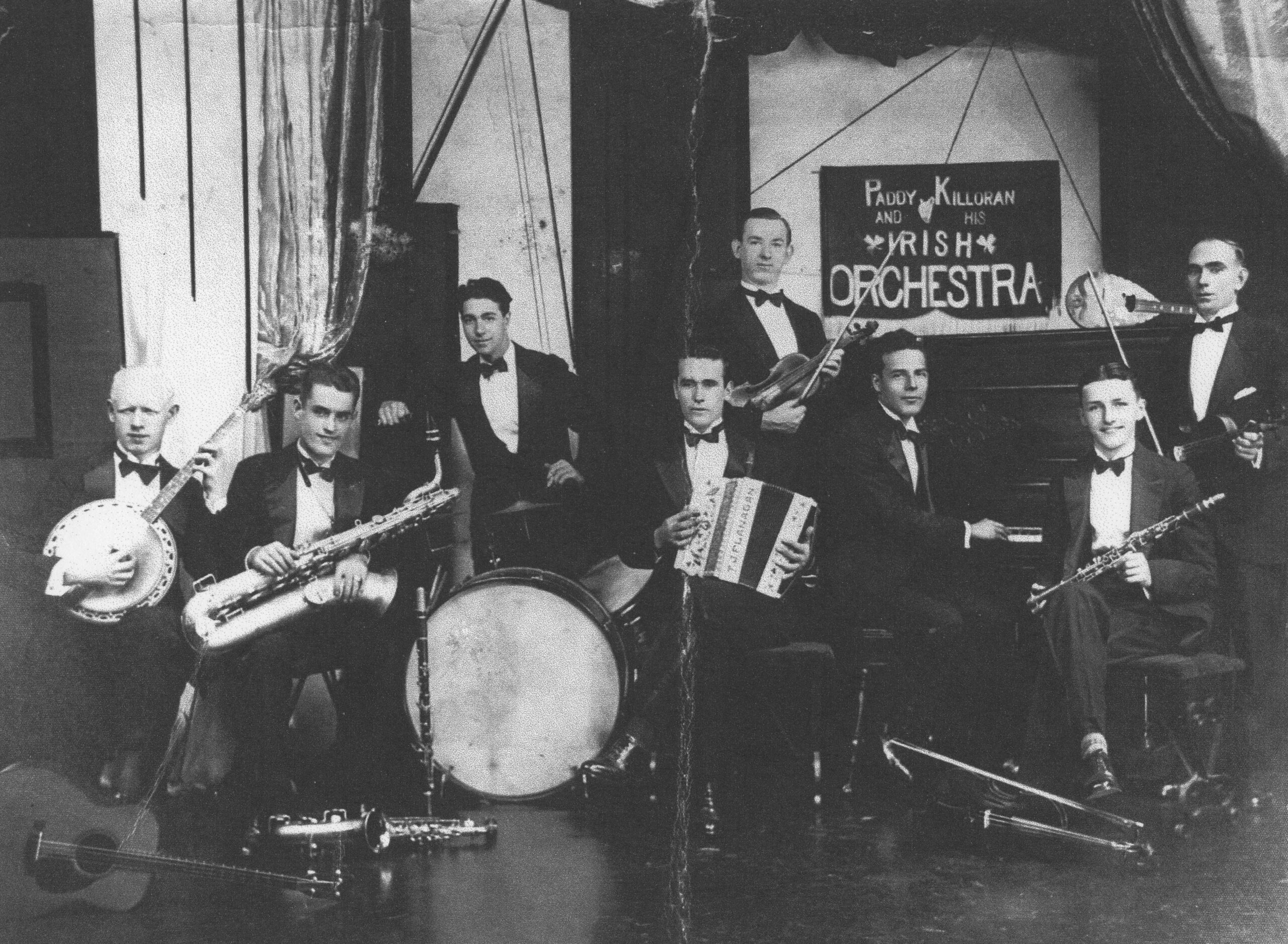
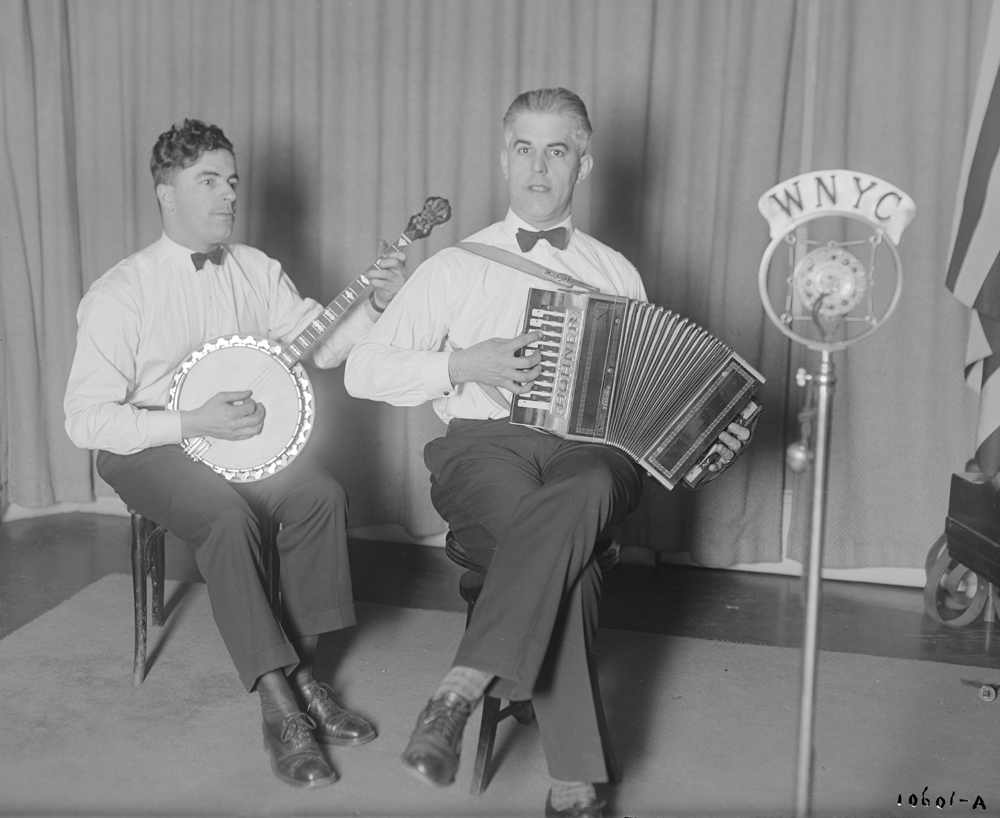
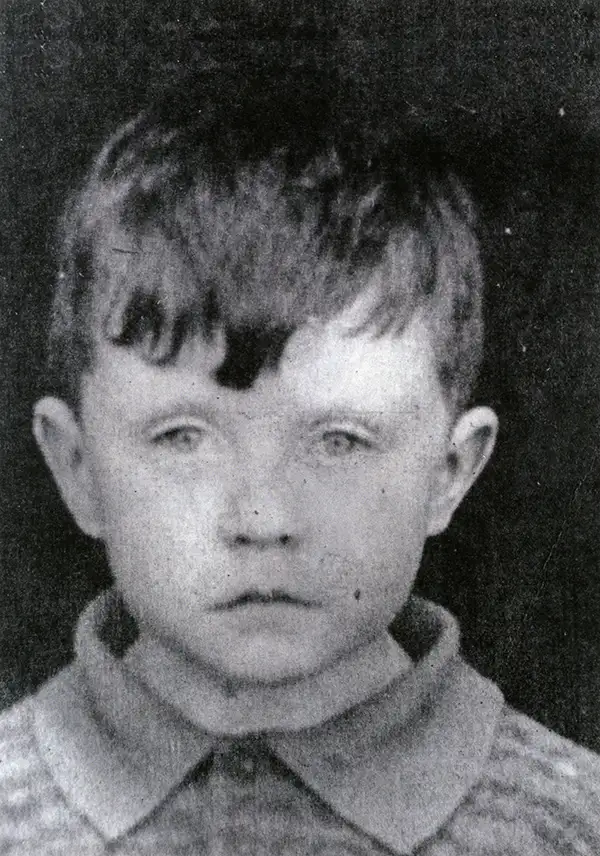
Paddy Killoran was born into a vibrant music environment on 21 September 1903 at Emlaghgissan near Ballymote, County Sligo and was the youngest of the celebrated south Sligo fiddlers. While his father John played flute and his mother, Mary the concertina, Paddy was influenced by local fiddle master Philip O’Beirne. A member of the South Sligo Brigade of the I.R.A. during the War of Independence and Irish Civil War, Killoran emigrated to New York in 1925 where he came under the wing of Sligo native and fiddler, James Morrison. He established his own ”orchestra”, playing for dances in ballrooms throughout New York area, radio broadcasts and at various Irish summer resorts. Killoran released his first 78 rpm’s in 1931 and over the following decade he recorded solo, in duet with Paddy Sweeney and with a variety of groups. Like James Morrison, he engaged in various business ventures including ”Killoran’s Tavern” and ”Killoran’s and Cleary’s Cabaret” in the late 1940s. He also made several trips back to Ireland and broadcast on Raidió Éireann which enhanced his reputation at home.
Post World War II
Sligo fiddle great Paddy Killoran was still going strong in the late 1940s and through the 1950s. His dance band was so busy that he could not take all the proffered bookings. And if major labels weren’t interested anymore, there were smaller companies that still served the niche market for Irish traditional tunes. Killoran’s 78s from the 1950s included solo sides with backing from guitarist Jack McKenna, duets with his old bandmate Paul Ryan on viola, and with Sligo-born flute player Mike Flynn. To make sure there would continue to be an outlet for traditional music, Killoran co-founded the Dublin Records label in 1956. The Manhattan bar/restaurant Killoran had taken over from James Clark did not survive the war but in the late 1940s he opened a new “cabaret” with Clare man Jim Cleary on Willis Avenue in the South Bronx.
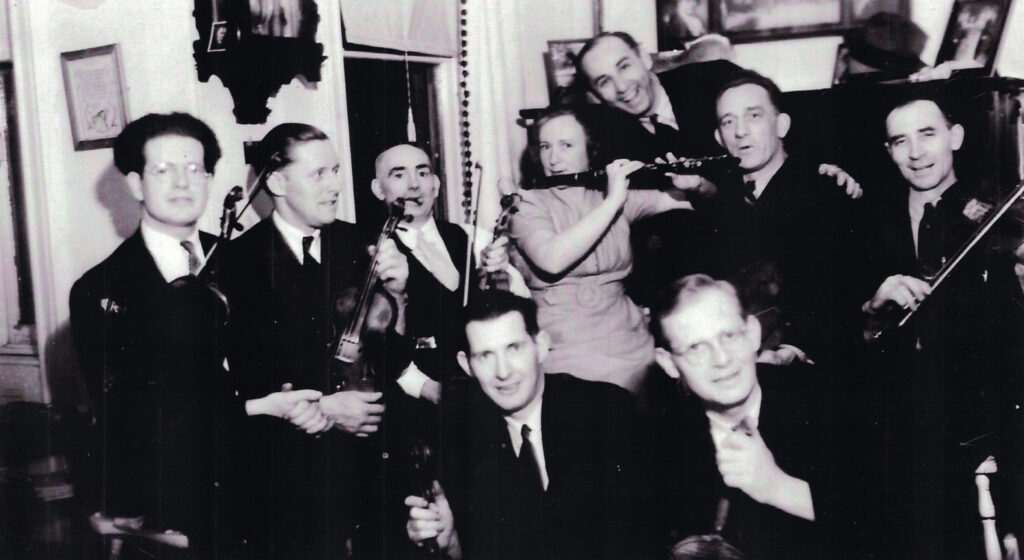
Much of the best Irish music heard in New York in the post-war era was not played in public but at private gatherings. Rare home-made acetate discs and reel-to-reel tapes recorded at house parties preserve some of this music. One particularly remarkable recording of Killoran and friends, including Sligo flute player Jim McGowan, was made on the eve of the fiddler’s visit to Ireland in 1959-60. Killoran took the recordings, including greetings to relations at home, with him on the trip.


![The Turlough O'Carolan Irish music club / Unidentified photographer [Back row, 3rd from left: Andy Conroy, flute ; Middle row, extreme right: Louis Quinn, fiddle ; Front row: Martin Wynne, fiddle ; unidentified, fiddle ; Vincent Harrison, fiddle ; unidentified, fiddle ; Paddy Reynolds, fiddle ; unidentified, fiddle, Seán Quinn, fiddle ; unidentified, fiddle ; Paddy Killoran, fiddle ; unidentified, fiddle ; James Lad O'Beirne, piano]](https://s3.eu-west-1.amazonaws.com/images.itma.ie/newyork/turloughocarolanirishmusicclub.jpg "The Turlough O'Carolan Irish music club / Unidentified photographer [Back row, 3rd from left: Andy Conroy, flute ; Middle row, extreme right: Louis Quinn, fiddle ; Front row: Martin Wynne, fiddle ; unidentified, fiddle ; Vincent Harrison, fiddle ; unidentified, fiddle ; Paddy Reynolds, fiddle ; unidentified, fiddle, Seán Quinn, fiddle ; unidentified, fiddle ; Paddy Killoran, fiddle ; unidentified, fiddle ; James Lad O'Beirne, piano]")