The Irish Traditional Music Archive (ITMA) is committed to providing free, universal access to the rich cultural tradition of Irish music, song and dance. If you’re able, we’d love for you to consider a donation. Any level of support will help us preserve and grow this tradition for future generations.
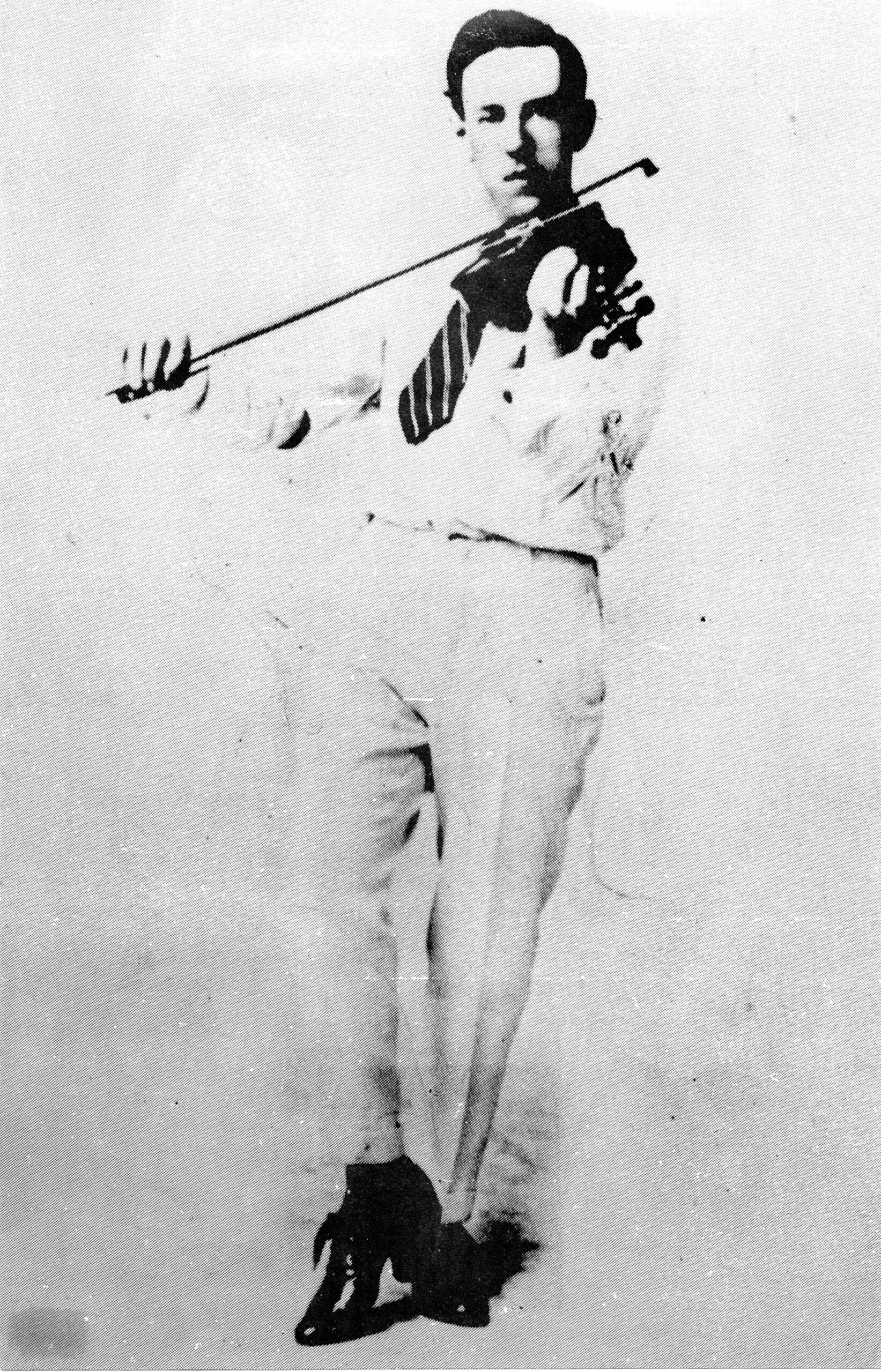
In June 2026, David Lennon published a blog and corresponding playlist in which he removed piano backing from Michael Coleman recordings using AI-based audio restoration technology. In this follow-up, David provides additional perspective on his project along with a playlist featuring 13 more of his edited recordings, along with their original counterparts.
By David Lennon
Following on from June’s blog and playlist, I am pleased to share a new playlist of additional Michael Coleman recordings with the piano backing removed.
In the previous blog post, I referred to having used AI technology to remove the piano. Whilst this is true, I also believe, based on feedback received, that using a generic term such as AI does not do justice to what are in effect advanced audio restoration tools that have been modified in recent years to include AI-based technology. I have heard the results of other less sympathetic AI specific audio tools, and I can hear a detrimental effect to the original recording. I have attempted to edit these recordings with the objective of maintaining the fiddle sound as close to the original as possible, as with June’s feature I have included the original recording for comparison.
In this second release of edited recordings by the legendary Co. Sligo fiddle player, Michael Coleman, I have again tried to include a selection of recordings from across the span of his recording career, which began in 1921 and ended in 1936.
For some followers of Coleman his peak years from a recording perspective were from 1927 to 1929, some of which are included on this playlist. Although to my ears at least, his earlier recordings were equally good. I believe that the advent of electric recording and advancements in recording quality throughout the 1920’s made his later recordings more accessible and therefore more popular.
I have also included an example of one of Coleman’s many duet recordings, this time with the Longford fiddler, Packie Dolan. Coleman clearly altered his playing style to compliment and augment his duet partner, as can be heard on this recording of The Stack of Barley set.
This playlist also includes some lesser-known 78’s, such as the rarer second take of the Shaskeen and the Bag of Spuds from 1921, and the flip side of the Wellington’s Reels 78rpm with Dougherty’s Jigs. This particular recording was also released under the name of Daniel Keller — theories abound as to why the recording companies did this but we have to assume it was in some way related to contract obligations or ways around them.
The objective of this exercise is to allow listeners to hear Coleman on his own, the inclusion or exclusion of the accompaniment is a matter of personal choice and I have included the original recordings again with that in mind. I hope you enjoy the outcome!